

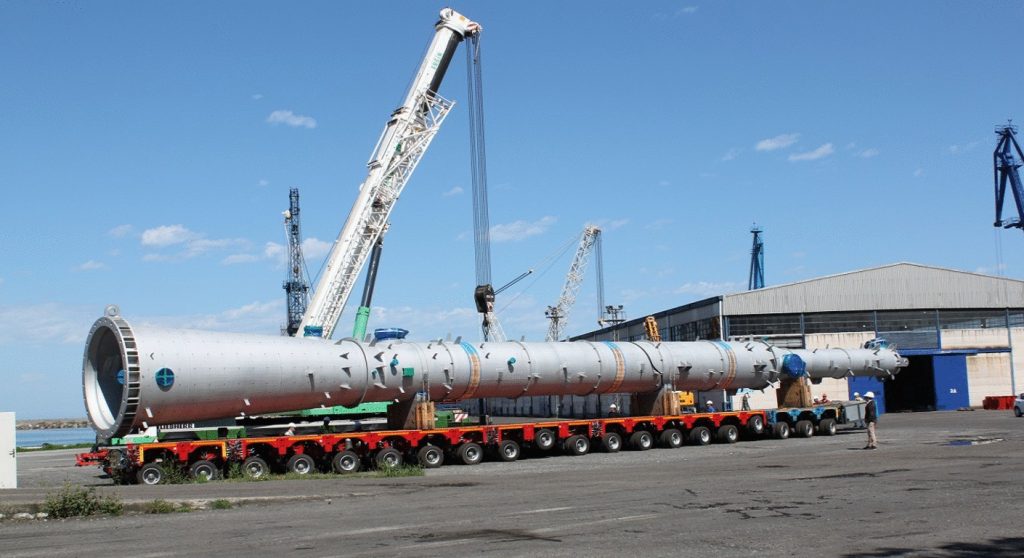
Project cargo has traditionally been defined by the transportation of oversized, heavy, and high-value equipment, often linked to large-scale industrial developments and global project cargo services involving complex international logistics operations. While the fundamentals of project cargo remain the same, the way it is planned and executed is changing rapidly. By 2026, project cargo logistics is no longer a generalized service offering. Instead, it is evolving into a highly specialized discipline shaped by industry-specific requirements, advanced technology, and heightened risk awareness.
One of the main reasons for this shift is the changing nature of global infrastructure and industrial projects. Sectors such as renewable energy, data centers, electric vehicle manufacturing, and modular construction are driving new demand for project cargo services. Each of these industries involves unique equipment dimensions, sensitivity levels, installation timelines, and compliance standards. As a result, logistics providers offering global project cargo logistics, international project cargo services, and heavy lift transportation solutions can no longer apply a one-size-fits-all approach and must develop tailored solutions aligned with the specific sector they serve.
Technical complexity has also increased significantly. Modern project cargo often includes precision-engineered components that integrate mechanical, electrical, and digital systems. These assets require careful handling, specialized packaging, route engineering, and detailed lifting studies. Even minor deviations during transport can lead to costly delays or damage. In response, global project cargo service providers are becoming more involved in early-stage project planning, working closely with engineers, OEMs, and EPC contractors to mitigate risk before transportation begins across international project cargo movements.
Regulatory pressure is another key factor driving specialization. By 2026, project cargo movements must comply with increasingly strict regional and international regulations. These include road and bridge load restrictions, port limitations, environmental requirements, and sector-specific safety standards. Specialized knowledge of local authorities, permitting procedures, and regulatory frameworks has become essential. Providers with deep regional and industry expertise in global project cargo services, heavy lift logistics, and multimodal project cargo transportation are better positioned to ensure compliance and maintain project schedules.
Client expectations have also evolved. Shippers now expect project cargo partners to deliver end-to-end logistics solutions rather than basic transportation services. This includes feasibility studies, route surveys, risk assessments, multimodal coordination, and real-time visibility. To meet these expectations, global project cargo logistics companies are forming dedicated teams focused on particular industries or project types, allowing them to provide more strategic and value-driven support throughout the project cargo lifecycle.
Technology plays a critical role in enabling this specialization. Advanced planning tools, digital route simulations, AI-driven risk modeling, and IoT-based cargo monitoring are now standard for complex projects. These technologies improve accuracy, transparency, and predictability, which are essential for managing specialized cargo within global project cargo services, international heavy lift logistics, and complex multimodal transportation networks. As digital capabilities expand, they further differentiate specialized providers from traditional operators.
Sustainability considerations are also influencing how project cargo is executed. Many large-scale projects operate under strict ESG commitments that extend to their logistics operations. Specialized global project cargo service providers are responding by optimizing transport routes, reducing emissions through better planning, and investing in modern fleets and alternative fuels for international project cargo logistics. Sustainability expertise, particularly within energy and infrastructure sectors, has become a key differentiator in 2026.
For logistics providers, the move toward specialization requires substantial investment in skilled personnel, training, technology, and strategic partnerships. Companies that continue to operate with generalized capabilities risk losing relevance in a market that increasingly values precision and expertise. Those that embrace specialization, however, can position themselves as trusted partners capable of supporting complex, high-value projects.
In 2026, project cargo is no longer defined solely by size or weight. It is defined by specificity, technical understanding, and industry alignment. As global projects become more complex and time-sensitive, specialized global project cargo logistics services are not just a competitive advantage—they are a necessity for success in international project cargo transportation.