

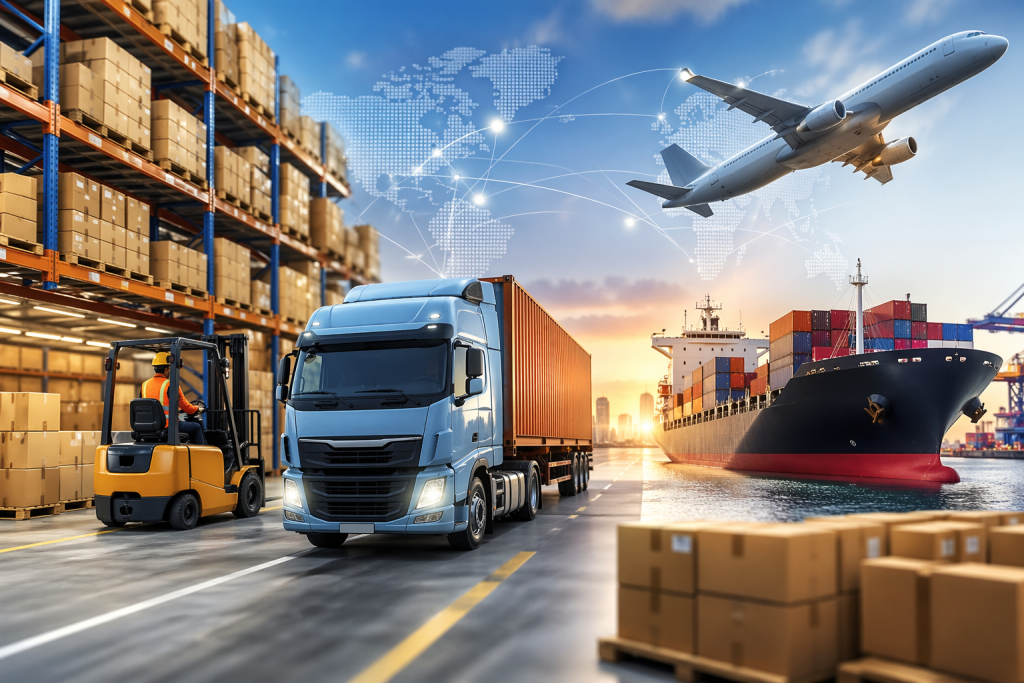
In 2026, logistics is no longer a one-size-fits-all service. Different industries demand highly specialized logistics solutions to meet their unique challenges. From temperature-sensitive pharmaceuticals to fast-moving consumer goods, businesses now rely on industry-specific logistics strategies to stay competitive.
This shift is driven by rising customer expectations, stricter regulations, and the need for faster, more efficient delivery systems.
Why Industry-Specific Logistics Matters
Every industry has distinct requirements when it comes to transportation, storage, and delivery. A generic logistics approach can lead to inefficiencies, delays, and even compliance risks.
Key reasons businesses are moving toward specialized logistics:
- Increased demand for faster delivery
- Need for regulatory compliance
- Product-specific handling requirements
- Cost optimization and efficiency
Logistics in the FMCG Industry
Fast-Moving Consumer Goods (FMCG) require speed, accuracy, and scalability.
Challenges:
- High order volumes
- Short product life cycles
- Demand fluctuations
Solutions:
- Automated warehousing systems
- Real-time inventory tracking
- Efficient last-mile delivery networks
Result: Faster product movement and reduced stockouts.
Cold Chain Logistics for Pharmaceuticals
Pharmaceutical logistics is one of the most sensitive sectors, requiring strict temperature control throughout the supply chain.
Challenges:
- Temperature-sensitive products
- Strict regulatory compliance
- Risk of product spoilage
Solutions:
- Temperature-controlled storage and transport
- IoT-based monitoring systems
- Compliance with global standards
Result: Safe delivery of critical medicines and vaccines.
Logistics for E-commerce Businesses
E-commerce continues to dominate in 2026, and logistics plays a crucial role in customer satisfaction.
Challenges:
- High return rates
- Demand for same-day or next-day delivery
- Managing large SKU volumes
Solutions:
- Smart fulfillment centers
- AI-driven route optimization
- Reverse logistics systems
Result: Faster deliveries and improved customer experience.
Logistics in the Manufacturing Industry
Manufacturers depend on precise logistics to ensure uninterrupted production.
Challenges:
- Supply chain disruptions
- Just-in-time inventory requirements
- Bulk transportation needs
Solutions:
- Integrated supply chain planning
- Reliable freight management
- Vendor coordination systems
Result: Reduced downtime and improved production efficiency.
Cold Storage & Food Logistics
Food logistics demands strict hygiene and freshness standards.
Challenges:
- Perishable goods
- Compliance with food safety regulations
- Time-sensitive deliveries
Solutions:
- Refrigerated transportation
- Advanced storage facilities
- Route optimization for faster delivery
Result: Fresh products delivered safely to consumers.
The Future of Industry-Specific Logistics
As industries evolve, logistics providers are adopting advanced technologies to meet specialized needs:
- AI & Automation for predictive logistics
- IoT for real-time tracking
- Sustainable practices for eco-friendly operations
- Data analytics for better decision-making
Businesses that adopt industry-specific logistics strategies will gain a competitive edge in efficiency, cost, and customer satisfaction.
Final Thoughts
Industry-specific logistics is no longer optional—it’s essential. Whether you’re in FMCG, pharmaceuticals, e-commerce, or manufacturing, tailored logistics solutions can significantly improve your supply chain performance.
Companies that understand their industry’s unique logistics needs and invest in the right solutions will lead the market in 2026 and beyond.