

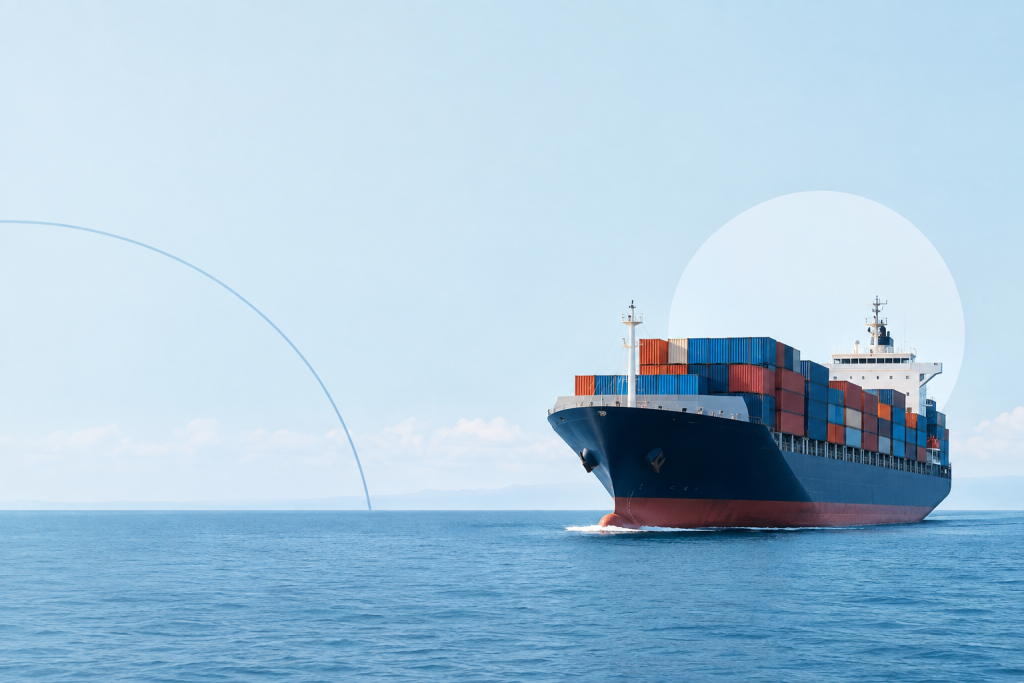
Sea freight is one of the most reliable and cost-effective ways to move large quantities of goods across international markets. For many businesses, however, a delayed shipment can create a chain reaction — from stock shortages and missed delivery deadlines to increased costs and unhappy customers.
While some shipping delays are unavoidable, many can be reduced with proper planning and the right logistics partner.
So, what causes sea freight delays, and what can businesses do to keep their cargo moving?
Common Causes of Sea Freight Delays
1. Port Congestion
Busy ports can slow down the entire shipping process. When a port handles a high volume of containers, vessels may have to wait before they can berth, load, or unload cargo.
Port congestion can also affect connecting vessels and inland transportation, making the final delivery take longer than expected.
How to reduce the risk:
Plan shipments early and work with a freight forwarder that can monitor schedules and recommend suitable shipping options when disruptions occur.
2. Incorrect Shipping Documents
Documentation is a major part of international shipping. A small error in a commercial invoice, packing list, bill of lading, or other shipping document can result in additional checks or delays.
Missing information can be particularly problematic when cargo reaches customs.
How to reduce the risk:
Check all shipping documents carefully before the cargo leaves the origin country. Providing accurate cargo descriptions, quantities, values, and consignee details can help prevent unnecessary problems.
3. Customs Clearance Issues
Customs clearance can sometimes become a major source of delay. Shipments may be held because of incomplete documentation, incorrect declarations, duties, regulations, or additional inspections.
This is why customs preparation should be part of the shipping plan from the beginning rather than something handled only after the cargo arrives.
How to reduce the risk:
Make sure the required import and export documents are prepared correctly and work with an experienced logistics provider that understands customs procedures.
4. Bad Weather and Unexpected Events
Weather conditions can affect vessel movements and port operations. Storms, rough seas, heavy rainfall, and other unexpected events may force shipping lines to change schedules.
These situations are outside a business’s control, but their impact can be managed.
How to reduce the risk:
Avoid planning shipments with extremely tight delivery deadlines. Allowing some extra time gives your business more flexibility when unexpected disruptions occur.
5. Vessel Schedule Changes
Shipping schedules can change because of operational problems, port congestion, equipment availability, or changes to shipping routes.
A vessel leaving later than planned can affect every stage of the shipment, especially when the cargo has connecting transportation.
How to reduce the risk:
Stay in regular communication with your freight forwarding company and track shipment updates throughout the transportation process.
6. Container Availability
Finding the right container at the right time is another important part of sea freight. During periods of high demand, businesses may experience difficulties securing suitable container space.
This can delay cargo before it even reaches the port.
How to reduce the risk:
Book shipments in advance and discuss container requirements with your freight forwarder as early as possible.
7. Improper Cargo Preparation
Cargo that is poorly packed, incorrectly labelled, overweight, or not prepared according to shipping requirements can cause additional handling and inspection.
Special cargo, such as oversized equipment, temperature-sensitive goods, and project cargo, usually requires even more detailed planning.
How to reduce the risk:
Make sure your cargo is properly packed, labelled, documented, and ready for transportation before the shipment date.
How Can Businesses Avoid Sea Freight Delays?
Avoiding every possible delay is not realistic. The better approach is to identify potential problems early and prepare for them.
Here are some practical steps businesses can take:
Plan Your Shipment Early
Last-minute shipping leaves less room for solving unexpected problems. Early planning gives you more options when choosing vessels, routes, container types, and transportation schedules.
Choose the Right Shipping Method
Not every shipment requires a full container.
For larger shipments, Full Container Load (FCL) may be the right choice. For smaller consignments, Less than Container Load (LCL) can be a more practical option.
MFS Arabia provides both FCL and LCL ocean freight solutions and works with shipping lines and overseas freight forwarding partners to support international cargo movement.
Keep Documentation Accurate
Before shipping, double-check your commercial invoice, packing list, bill of lading, certificates, and other required documents.
Good documentation can help reduce customs issues and unnecessary delays.
Work With an Experienced Freight Forwarder
A freight forwarder can help coordinate several parts of the shipping process, including documentation, shipping arrangements, customs clearance, cargo handling, and transportation.
MFS Arabia provides freight forwarding and logistics services from Saudi Arabia, handling different types of cargo including FCL, LCL, break-bulk, Ro/Ro, heavy-lift, and project cargo.
Track Your Cargo
Shipment tracking gives businesses better visibility into where their cargo is and whether the shipment is progressing according to schedule.
Early information about a delay allows companies to adjust inventory, delivery plans, and customer communication.
Keep a Realistic Delivery Schedule
Even with excellent planning, international shipping can face unexpected disruptions.
Instead of promising delivery based on the shortest possible transit time, businesses should maintain a reasonable buffer for customs, port operations, weather, and other unforeseen issues.
How MFS Arabia Helps With Ocean Freight
Managing an international shipment involves much more than booking space on a vessel.
MFS Arabia provides ocean freight solutions for businesses with different cargo requirements. Its services include FCL and LCL shipments, along with support for general, temperature-sensitive, and oversized cargo. The company also highlights documentation and shipment tracking as part of its ocean freight approach.
MFS Arabia also provides wider logistics services, including customs clearance, ground transportation, project cargo, air freight, and warehousing solutions. This allows businesses to manage multiple stages of their supply chain through one logistics partner.
Final Thoughts
Sea freight delays can affect costs, inventory, customer relationships, and overall business operations. However, careful planning can significantly reduce the chances of unnecessary delays.