

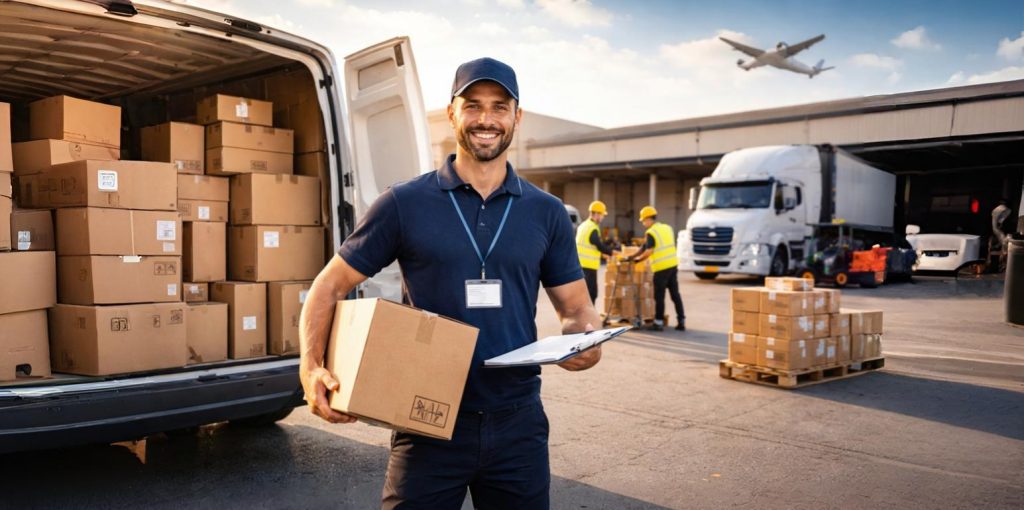
The logistics industry is undergoing a major transformation in 2026, driven by rapid e-commerce growth, technological innovation, and increasing customer expectations. Among the most promising opportunities in this evolving landscape is reverse logistics and returns management. What was once considered a back-end operational task has now become a strategic priority for businesses worldwide. As consumer purchasing habits shift toward online platforms, the volume of product returns continues to rise, creating new challenges and opportunities for logistics providers. In fast-growing markets like the Kingdom of Saudi Arabia, companies are actively seeking advanced logistics solutions that can manage both forward and reverse supply chains efficiently. This shift is creating strong demand for professional logistics service in Saudi Arabia that can deliver structured, technology-driven returns management systems.
Understanding Reverse Logistics and Its Growing Importance
Reverse logistics refers to the process of moving goods from customers back to sellers or manufacturers for purposes such as refunds, repairs, refurbishment, recycling, or resale. Unlike traditional logistics, which focuses on transporting products to customers, reverse logistics emphasizes value recovery and operational efficiency after delivery. When managed correctly, it reduces losses, improves sustainability performance, and enhances customer satisfaction. Businesses that fail to optimize their returns process often face higher operational costs, inventory inaccuracies, and damaged brand reputation. This is why many companies now partner with specialized providers offering comprehensive logistics service in Saudi Arabia to streamline their returns operations.
E-Commerce Growth Driving Demand in Saudi Arabia
Saudi Arabia’s rapidly expanding e-commerce sector is one of the key drivers behind the growing importance of reverse logistics. Customers expect easy return policies, quick refunds, and transparent tracking systems. Meeting these expectations requires integrated technology platforms, efficient warehousing solutions, and coordinated transportation networks. Modern logistics providers are investing in digital tools such as AI-powered analytics, real-time tracking dashboards, and automated sorting systems to accelerate return cycles and reduce handling errors. As the Kingdom strengthens its position as a regional logistics hub, innovation in supply chain management is becoming a competitive necessity rather than a luxury.
Sustainability and the Shift Toward Green Logistics
Sustainability is another major factor influencing logistics strategies in 2026. Governments and corporations are prioritizing environmental responsibility, waste reduction, and circular economy practices. Reverse logistics plays a critical role in achieving these objectives by enabling recycling programs, refurbishment initiatives, and responsible disposal systems. Companies that integrate sustainable practices into their operations not only comply with regulations but also strengthen their brand reputation. As environmental awareness grows across the region, businesses increasingly seek a logistics service in Saudi Arabia that can support green supply chain initiatives while maintaining operational efficiency.
Technology as the Backbone of Modern Reverse Logistics
Technology is redefining how reverse logistics operates. Data analytics helps companies identify return patterns and reduce preventable returns, while automation speeds up inspection and sorting processes in warehouses. Customer self-service portals allow buyers to initiate returns easily, improving satisfaction and reducing administrative burdens. These digital advancements create a seamless experience for both businesses and consumers. Logistics providers that embrace innovation are positioning themselves as long-term partners rather than simple transportation vendors.
The Future of Reverse Logistics in the Kingdom
Looking ahead, reverse logistics will continue to expand as a core component of supply chain strategy in Saudi Arabia. With increasing retail competition and rising customer expectations, efficient returns management will differentiate market leaders from their competitors. Companies that invest in professional logistics service in Saudi Arabia capable of handling both forward distribution and reverse operations will achieve greater cost control, operational transparency, and customer loyalty. The future of logistics in the Kingdom is not only about faster delivery but also about smarter, more sustainable, and value-driven supply chain management.