

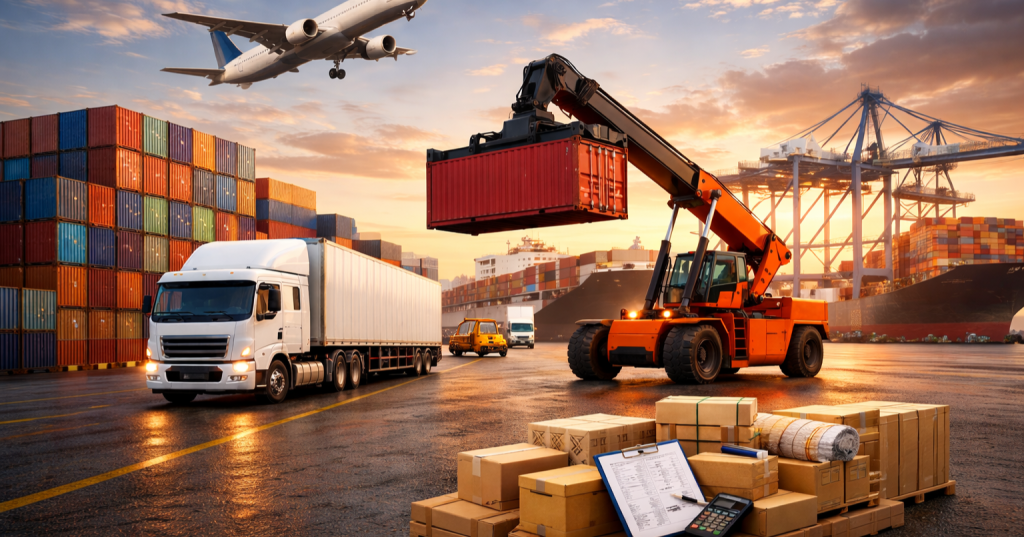
In 2026, same-day delivery is no longer a premium add-on — it’s a baseline expectation. What began as a competitive advantage pioneered by companies like Amazon has become a standard shaped by digital-first consumers who expect speed, visibility, and reliability. As e-commerce continues to grow globally, logistics companies must adapt their infrastructure, technology, and operational strategies to keep up with the accelerating demand for same-day fulfillment.
The Rise of Instant Gratification in E-Commerce
Consumer behavior in 2026 is driven by convenience. With the expansion of quick-commerce platforms and marketplaces such as Shopify and Alibaba Group, customers now expect products to move from checkout to doorstep within hours, not days. This shift has forced retailers and logistics providers to rethink traditional distribution models that relied on centralized warehouses and longer shipping cycles.
Same-day delivery is especially critical in sectors like grocery, pharmaceuticals, electronics, and fashion. Businesses that fail to meet these expectations risk losing customers to competitors who can deliver faster. For logistics companies, this means transforming from simple transportation providers into integrated fulfillment partners.
Micro-Fulfillment Centers: The Urban Advantage
One of the most significant developments enabling same-day logistics is the rise of micro-fulfillment centers (MFCs). These smaller, strategically located warehouses are positioned close to dense urban populations, reducing last-mile delivery time dramatically. Instead of shipping from one large regional distribution center, companies distribute inventory across multiple urban hubs.
This decentralized model reduces transit time, lowers transportation costs, and improves order accuracy. In 2026, successful logistics providers are those who combine real estate strategy with demand forecasting, ensuring inventory is positioned exactly where it’s needed before orders are even placed.
AI and Predictive Logistics
Artificial intelligence plays a central role in making same-day delivery scalable and profitable. AI-powered route optimization tools analyze traffic, weather, order density, and driver availability in real time. Predictive analytics anticipate demand spikes based on historical data, local events, and buying patterns.
By leveraging machine learning, logistics companies can pre-position inventory and allocate delivery resources dynamically. This reduces failed deliveries, shortens delivery windows, and improves fleet efficiency. For SEO-driven logistics companies, showcasing AI-driven solutions in blog content helps position the brand as innovative and future-ready.
Last-Mile Optimization: The Critical Factor
The last mile accounts for the highest cost in the delivery process. In 2026, companies are optimizing this stage through:
-
Dynamic route planning
-
Electric and sustainable delivery fleets
-
Smart lockers and pickup points
-
Crowdsourced delivery networks
Sustainability is also influencing last-mile strategies. Many cities now impose emissions regulations, encouraging the adoption of electric vehicles and bike couriers. Logistics providers that combine speed with environmentally responsible practices gain a competitive advantage while improving brand reputation.
Technology Integration and Real-Time Visibility
Customers expect full transparency from order placement to final delivery. Real-time tracking systems, automated notifications, and accurate estimated delivery times are no longer optional. Integrated logistics platforms connect warehouses, drivers, retailers, and customers into a single digital ecosystem.
Companies investing in cloud-based Transportation Management Systems (TMS) and Warehouse Management Systems (WMS) are better equipped to handle same-day delivery complexities. Seamless API integrations with e-commerce platforms ensure that orders flow instantly into fulfillment systems without manual delays.
Workforce and Operational Agility
Speed requires agility. Logistics companies must train their workforce to operate in high-velocity environments. Flexible staffing models, cross-trained warehouse teams, and gig-economy delivery drivers help companies respond to fluctuating demand.
Automation also reduces operational bottlenecks. Robotic picking systems, automated sorting lines, and smart inventory management tools improve efficiency and minimize human error. In 2026, the most successful logistics companies combine automation with skilled human oversight.
Data-Driven Decision Making
Same-day delivery profitability depends on data. Monitoring KPIs such as order cycle time, on-time delivery rate, cost per delivery, and inventory turnover enables continuous optimization. Control tower dashboards provide real-time insights that allow managers to make proactive decisions instead of reactive fixes.
For SEO performance, logistics companies should create content that highlights measurable results — case studies showing reduced delivery times, improved customer satisfaction, or cost savings achieved through optimization strategies.
How Logistics Companies Can Stay Competitive
To remain competitive in 2026, logistics providers must:
-
Invest in urban micro-fulfillment infrastructure
-
Adopt AI-powered route and demand forecasting tools
-
Optimize last-mile delivery with sustainable fleets
-
Integrate digital systems for real-time visibility
-
Use data analytics to drive continuous improvement
Same-day delivery is no longer about speed alone — it’s about precision, efficiency, and customer experience. Companies that treat it as a strategic transformation rather than a simple service upgrade will lead the market.
Final Thoughts
The future of logistics belongs to companies that can deliver faster without sacrificing profitability or sustainability. As consumer expectations continue to rise, same-day delivery will separate industry leaders from laggards. By embracing technology, decentralizing fulfillment, and focusing on operational excellence, logistics companies can not only keep up in 2026 — they can set the standard.
If your logistics company is preparing for the next phase of growth, now is the time to refine your same-day delivery strategy and position your brand as a trusted, technology-driven fulfillment partner.