

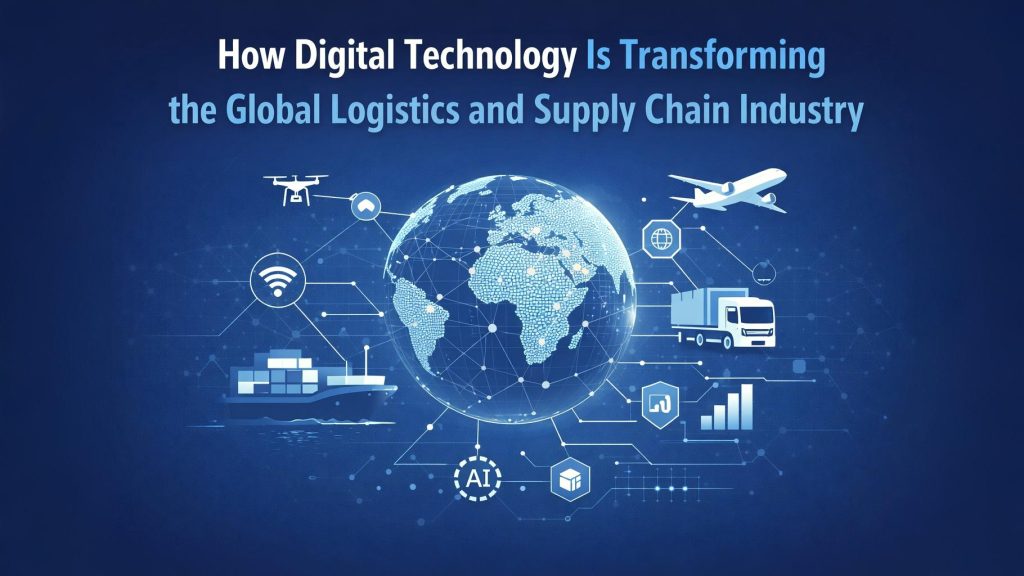
In today’s fast-paced global economy, the logistics industry is undergoing a remarkable transformation driven by rapid technological innovation. Businesses across the world are increasingly relying on advanced digital tools to streamline operations, improve efficiency, and enhance customer satisfaction. Technology is no longer just a supporting element in logistics; it has become the backbone that enables companies to manage complex supply chains, track shipments in real time, and respond quickly to changing market demands.
One of the most significant technological advancements in logistics is the integration of real-time tracking and Internet of Things (IoT) devices. Modern tracking systems allow logistics providers and customers to monitor shipments throughout every stage of the delivery process. Sensors attached to cargo can provide data on location, temperature, humidity, and handling conditions. This level of visibility not only ensures transparency but also helps companies maintain product quality, especially for sensitive goods such as pharmaceuticals, food products, and electronics.
Another major innovation shaping the logistics sector is automation and robotics. Warehouses around the world are increasingly adopting automated systems to manage inventory, sort packages, and prepare shipments. Robotic technologies can perform repetitive tasks with exceptional speed and accuracy, reducing human error and operational costs. Automated warehouses enable logistics companies to process a higher volume of orders in less time, which is essential in the era of e-commerce where customers expect faster delivery.
Artificial Intelligence (AI) and data analytics are also revolutionizing logistics management. AI-powered systems analyze vast amounts of operational data to identify patterns, predict demand, and optimize routes. This allows companies to make smarter decisions about fleet management, fuel consumption, and delivery scheduling. Predictive analytics can also anticipate potential disruptions in the supply chain, enabling businesses to take proactive measures before problems escalate.
Technology is also improving customer experience in the logistics industry. Digital platforms and mobile applications allow customers to place orders, track shipments, receive delivery notifications, and communicate directly with logistics providers. These tools provide convenience and transparency, which are increasingly important in a competitive market. Companies that invest in user-friendly digital solutions often gain a significant advantage by building trust and long-term relationships with their clients.
Another transformative development is the use of blockchain technology in supply chain management. Blockchain creates a secure and transparent digital ledger where every transaction or movement of goods can be recorded and verified. This technology helps reduce fraud, improve documentation processes, and ensure the authenticity of products moving through global supply chains. As international trade continues to expand, blockchain has the potential to simplify complex logistics networks and improve accountability.
Sustainability is also becoming a key focus in logistics, and technology plays an important role in achieving environmentally responsible operations. Advanced route optimization software helps reduce fuel consumption and carbon emissions by identifying the most efficient delivery paths. Electric vehicles, smart energy systems in warehouses, and digital documentation are further contributing to greener logistics practices. Companies that adopt sustainable technologies not only reduce their environmental impact but also meet growing consumer expectations for responsible business operations.
In conclusion, technology is fundamentally reshaping the logistics industry by improving visibility, efficiency, and customer service. From IoT tracking systems and warehouse automation to artificial intelligence and blockchain, digital innovation is enabling logistics companies to operate smarter and faster than ever before. As technology continues to evolve, businesses that embrace these advancements will be better positioned to manage global supply chains, deliver superior service, and remain competitive in an increasingly connected world.